18 Aug 2026
Betting Sector Reports Significant Shop Closures Following Recent Budget Changes
 The Betting & Gaming Council has released figures showing more than 540 high-street betting shops closed along with around 4,500 jobs lost since last year’s Budget, and these reductions stem directly from rising taxes combined with higher operating costs that operators now face. Data from the organization reveals the closures represent an acceleration of trends already underway, while the total impact since 2019 stands at approximately 3,000 shops and over 15,000 positions eliminated across the sector. Observers note the latest wave of reductions occurred in the period following the most recent fiscal measures, and industry representatives have highlighted how these pressures compound existing challenges for physical retail locations.
Details from the Latest Report
The figures indicate that tax adjustments introduced in the Budget have increased financial strain on high-street operators, and this has translated into reduced viability for many locations that previously maintained steady employment levels. According to the Betting & Gaming Council the combined effect of elevated taxes and ongoing cost increases has prompted widespread decisions to shutter outlets, and the resulting job losses affect communities where these shops often serve as local employers. Researchers tracking retail trends have documented similar patterns in other regulated sectors when fiscal burdens rise sharply, yet the gambling industry faces additional constraints from both physical and emerging digital competitors.
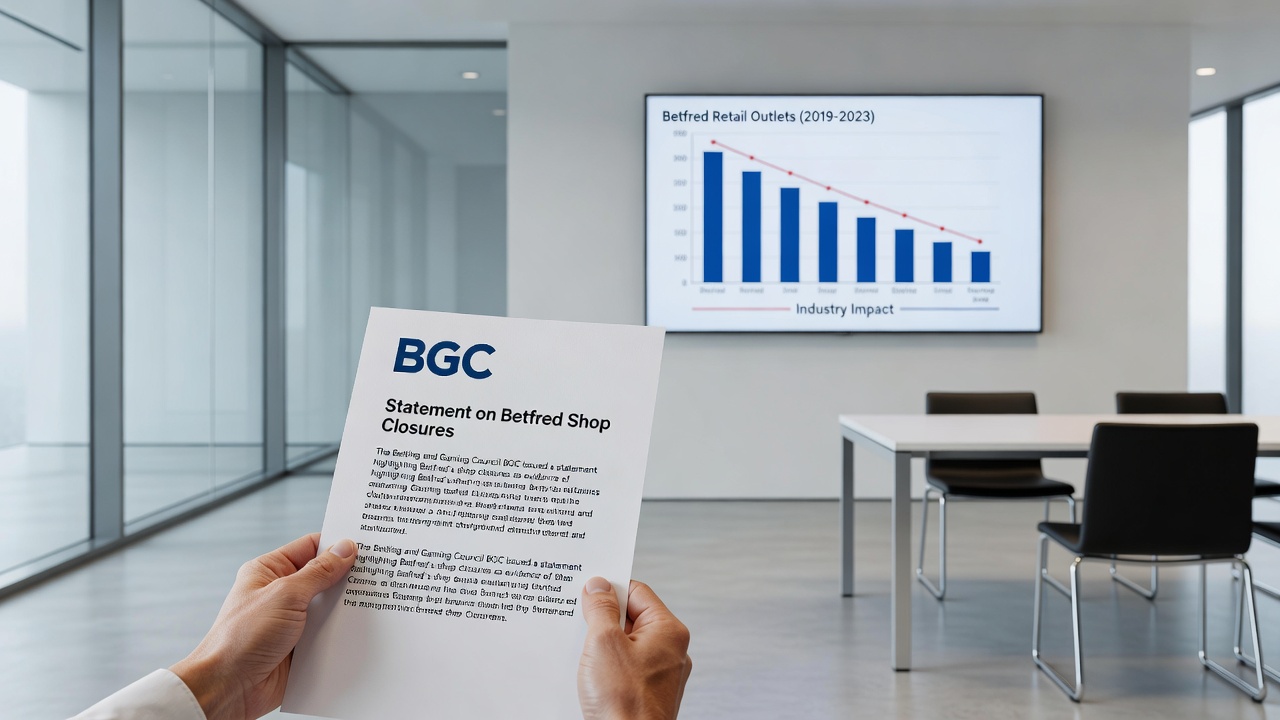
Further analysis shows the decline since 2019 encompasses multiple rounds of closures that began well before the most recent Budget cycle, and cumulative losses now exceed three thousand shops along with fifteen thousand positions across the United Kingdom. Industry data compiled by the council demonstrates that each successive wave of reductions has removed not only storefronts but also associated support roles in logistics, maintenance, and administration that once sustained the network. Those who have examined regional breakdowns find that closures appear across both urban and suburban areas, while the pace has quickened noticeably in the twelve months after the latest tax measures took effect.
Longer-Term Trends and Contributing Factors
Historical records kept by sector groups reveal that shop numbers have fallen steadily since 2019 because of successive policy shifts, and the most recent Budget has added momentum to that trajectory through higher duties on certain activities. Operators report that operating costs beyond taxation have also climbed due to energy prices, staffing requirements, and regulatory compliance, and these elements together reduce margins at many locations to unsustainable levels. Evidence gathered by the Betting & Gaming Council points to a direct connection between the timing of the Budget changes and the acceleration of closures that followed, while earlier reductions occurred amid different economic conditions that included pandemic-related disruptions.
Statistics compiled over the past seven years show the sector has shed roughly three thousand outlets and fifteen thousand roles, and the latest addition of more than five hundred forty shops plus four thousand five hundred positions brings the cumulative total into sharper relief. Analysts at various research institutions have tracked how physical betting retail has contracted while digital channels expanded, yet the council emphasizes that high-street sites still provide significant employment in many towns and cities. The pattern suggests that further fiscal adjustments could intensify the existing downward curve unless offset by other measures that support retail viability.
Warnings Regarding Future Tax Measures
The Betting & Gaming Council has stated that additional tax increases, including those proposed for online sports betting, would likely produce more closures and further job reductions while also diminishing capital available for investment in technology and infrastructure. Representatives from the organization note that such changes could shift activity toward unregulated channels that operate outside current oversight frameworks, and data from similar markets indicates black-market participation tends to rise when legitimate operators face heavier burdens. Industry reports compiled by groups in other jurisdictions, such as those tracked by the Canada Revenue Agency, have documented comparable shifts when tax differentials widen between regulated and informal platforms.
Additional projections from the council suggest reduced investment would follow any new levies because operators would redirect resources toward compliance and cost containment rather than expansion or upgrades, and this outcome could limit innovation in both physical and digital offerings. Observers tracking international comparisons find that jurisdictions maintaining stable tax environments often retain stronger retail networks, whereas rapid increases correlate with accelerated consolidation. The council has presented these considerations to policymakers as part of ongoing discussions about sector sustainability, and the organization continues to compile data that illustrates the relationship between fiscal policy and employment levels.
Conclusion
The reported closures and job losses reflect the combined influence of recent Budget decisions and longer-running cost pressures that have reshaped the high-street betting landscape since 2019. Figures released by the Betting & Gaming Council quantify the most recent impact at more than five hundred forty shops and four thousand five hundred positions, and these numbers add to the cumulative totals that now stand near three thousand outlets and fifteen thousand roles eliminated over seven years. Industry statements indicate that further tax adjustments on online activities could extend these trends, and representatives have outlined potential consequences for investment and market balance. Data continues to be collected to monitor developments, while sector participants assess how current conditions will influence future operations across both retail and digital channels.